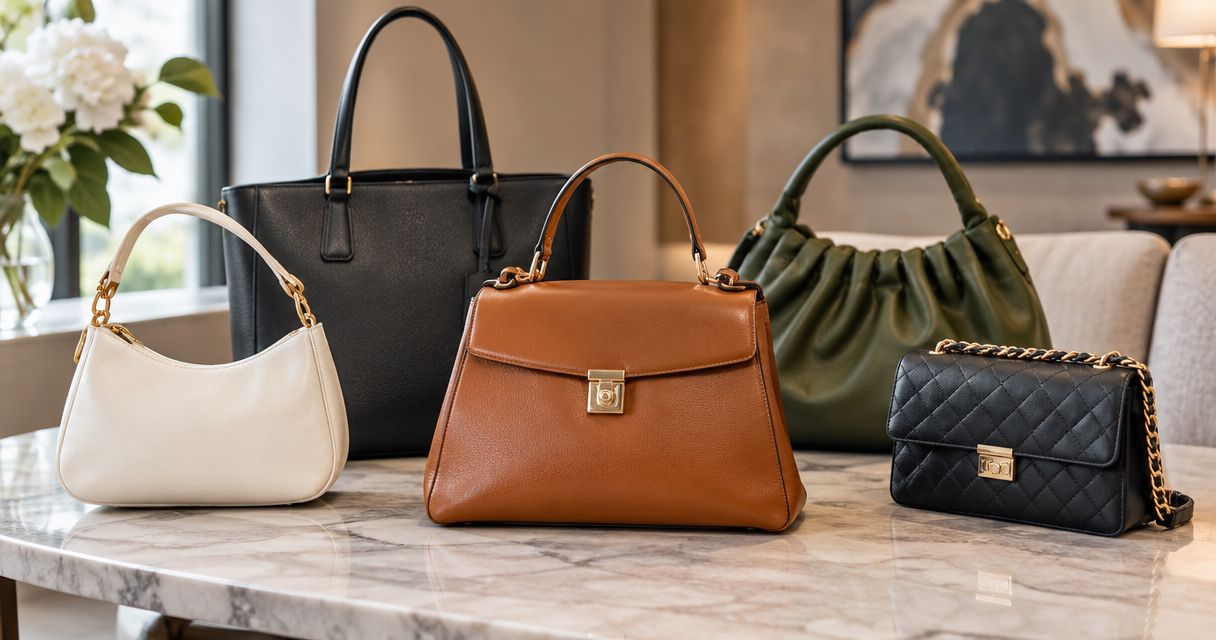
Best overall: a structured tote for everyday organization. Best for hands-free outings: a crossbody. Best for evening essentials: a clutch. This 2026 designer handbags sale guide helps you choose a silhouette before comparing individual bags at Habebecouture.
- For a designer handbags sale, choose your carrying needs before a label or markdown.
- A structured tote is the default for daily organization; a crossbody suits hands-free outings.
- Habebecouture suits women shopping designer handbags alongside luxury dresses and statement jewelry.
- Compare dimensions, closures, condition, and return terms before choosing an individual bag.
Why this matters
A designer handbag earns its place through use, not the appeal of a sale label. If the opening frustrates you, the strap slips, or your phone does not fit, the design has missed your brief. Start with the day you need the bag to handle.
For your 2026 shortlist, separate the silhouette from the individual purchase. A tote describes a broad shape, not a promise about pockets, materials, craftsmanship, or comfort. Those details belong to the specific bag and its listing.
Choose the bag for your routine first; evaluate the sale second. The ranking below compares handbag types by purpose rather than claiming that an unverified designer model is the best purchase.
What makes the best designer handbag?
Use these criteria before you compare labels. They keep an elegant purchase grounded in how you actually dress and carry your belongings.
- Useful capacity: Check your phone, wallet, keys, and any larger essentials against the bag’s stated dimensions and opening.
- Carrying comfort: Examine handle shape, strap width, adjustability, and how you intend to wear the bag.
- Access and closure: Choose between easy access and a more enclosed design according to your routine.
- Material and construction: Read the material description and inspect seams, edges, lining, hardware, and attachment points.
- Wardrobe fit: Decide whether the bag should blend into your outfits or become their main statement.
- Purchase clarity: Confirm the exact item, condition, seller information, and applicable return terms before committing.
Keep a shortlist of 3 daily essentials: your phone, wallet, and keys. Add your own non-negotiables, such as glasses or a notebook, rather than relying on a photograph to suggest capacity. A generous-looking exterior does not establish usable interior space.
Best designer handbag silhouettes at a glance
This 2026 ranking gives each silhouette a distinct job. Features vary by individual design, so use the table to narrow your search—not to assume every bag in a category shares identical construction.
| Rank and silhouette | Best for | Standout feature to seek | Key limitation |
|---|---|---|---|
| 1. Structured tote | Everyday organization | A stable shape with useful internal divisions | An open design needs extra attention to security |
| 2. Shoulder bag | A close-to-body wardrobe staple | A strap drop that works with your usual layers | A short strap can feel restrictive over outerwear |
| 3. Crossbody | Hands-free outings | An adjustable strap and secure closure | Larger shapes can interfere with movement |
| 4. Clutch | Evening essentials | An opening that accommodates your phone | A strapless design occupies a hand |
| 5. Top-handle satchel | Polished workday dressing | A defined shape and accessible opening | Hand-carrying becomes inconvenient during busy journeys |
| 6. Mini bag | Deliberately minimal outings | Space for your exact must-carry items | Limited capacity rules out spontaneous extras |
1. Structured tote: best designer handbag for daily organization
A structured tote gives you a defined shape for everyday belongings. Choose an interior that separates small essentials from larger items, rather than assuming a spacious bag will organize itself.
Start with what you carry on an ordinary day. If a notebook or device belongs on that list, compare its dimensions with the usable opening and interior—not just the bag’s widest exterior measurement.
Structured tote pros:
- Accommodates a broader daily packing list when dimensions allow.
- Offers a clear silhouette for tailored or relaxed outfits.
- Supports organization when the design includes suitable compartments.
Structured tote cons:
- Open-top versions leave contents less enclosed.
- A large interior makes overpacking tempting.
Best for: You want one principal handbag for a varied daily routine.
For a 2026 purchase, prioritize closure and empty-bag weight alongside appearance. A tote that looks elegant on a shelf still needs to work when filled.
Verdict: Buy a structured tote as your default if daily capacity comes first.
2. Shoulder bag: best designer handbag for wardrobe versatility
A shoulder bag sits under your arm or against your side, depending on its strap and shape. It is a strong starting point when you want an everyday accessory that stays visually close to your outfit.
Check the strap drop against your usual clothing. A bag that sits comfortably over a light blouse can feel crowded beneath your arm when you add a substantial coat.
Shoulder bag pros:
- Keeps the bag close to your body.
- Works as an outfit anchor without requiring a large silhouette.
- Offers convenient access when the opening remains reachable while worn.
Shoulder bag cons:
- Short straps restrict room for heavier layers.
- A slipping strap requires repeated adjustment.
Best for: You want an adaptable companion for lunches, appointments, and everyday dressing.
Look at the base as well as the front. A narrow profile and a deep, bulky body feel different against your side, even when their front views appear similar.
Verdict: Buy a shoulder bag when outfit versatility matters more than maximum capacity.
3. Crossbody: best designer handbag for hands-free outings
A crossbody uses a strap worn diagonally across your body. Choose this silhouette when keeping your hands available matters more than carrying a generous collection of extras.
Adjustability deserves close attention. The bag should sit where you can reach its opening without repeatedly lifting or repositioning the entire strap.
Crossbody pros:
- Leaves your hands available while worn.
- Keeps essentials attached to your outfit during movement.
- Offers positioning flexibility when the strap adjusts sufficiently.
Crossbody cons:
- A diagonal strap changes the lines of your outfit.
- A bulky body can bump against your hip while walking.
Best for: You spend outings walking, browsing, or managing other belongings.
Do not treat the crossbody shape as a security guarantee. Examine the closure and access points of the actual bag, and keep its placement suited to your surroundings.
Verdict: Buy a crossbody when hands-free movement is your main requirement.
4. Clutch: best designer handbag for evening essentials
A clutch is designed to be carried in your hand, although some individual designs include another carrying option. Its appeal is a compact finishing touch rather than everyday capacity.
Begin with your phone. A clutch can appear large enough from the outside while its opening, frame, or interior divisions prevent your phone from fitting comfortably.
Clutch pros:
- Creates a deliberate evening finishing point.
- Encourages a tightly edited selection of essentials.
- Avoids a visible shoulder strap when carried by hand.
Clutch cons:
- A strapless design occupies a hand.
- Rigid frames and narrow openings can limit usable space.
Best for: You need a handbag for dinners, celebrations, or formal dressing.
Decide where the clutch belongs within your outfit. If your dress or jewelry already makes a strong statement, a quieter bag keeps those elements in focus.
Verdict: Buy a clutch for a defined evening role; skip it as your only handbag.
5. Top-handle satchel: best designer handbag for polished workdays
A top-handle satchel centers the design around handles and a defined body. It suits outfits where you want the handbag to read as a deliberate, structured accessory.
Compare 2 carrying positions before choosing: in your hand and over your forearm. If you also need shoulder carrying, confirm that the particular bag includes a suitable strap rather than assuming it does.
Top-handle satchel pros:
- Adds a defined shape to workday dressing.
- Keeps the carrying point separate from the main body.
- Offers a polished alternative to a larger tote.
Top-handle satchel cons:
- Hand-carrying competes with anything else you need to hold.
- A defined body can limit flexibility around awkwardly shaped belongings.
Best for: You prioritize a composed workday appearance and carry a controlled set of essentials.
Check how the opening behaves around the handles. An elegant closure loses its appeal if reaching your wallet requires an awkward sequence every time.
Verdict: Buy a top-handle satchel for polished dressing, not automatic commuting convenience.
6. Mini bag: best designer handbag for minimal outings
A mini bag makes a deliberately small accessory the focus of your look. Treat it as a separate wardrobe role, not a compact substitute for every larger handbag.
Define your essentials before considering the design. If your phone must stay with you, its fit is a requirement—not something to resolve after the bag arrives.
Mini bag pros:
- Creates a distinct accent without a large silhouette.
- Encourages intentional packing.
- Suits outings where you genuinely need very little.
Mini bag cons:
- Leaves little room for unplanned extras.
- Can require a separate place for belongings that do not fit.
Best for: You already have an everyday handbag and want a minimal occasion accessory.
Use 1 focal point as a styling exercise: let the mini bag lead, or let your clothing lead. Neither approach requires matching every accessory exactly.
Verdict: Buy a mini bag for a specific minimal-carry occasion; skip it for general daily use.
How this ranking works
This ranking prioritizes daily usefulness, carrying method, access, wardrobe fit, and purchase clarity. It compares silhouettes, not tested designer models, and does not establish the quality of any individual bag.
The structured tote takes the default position because its role addresses everyday organization. The other silhouettes win only within their assigned use cases: hands-free movement, evening dressing, workday structure, outfit versatility, or minimal carrying.
Check the individual bag before choosing
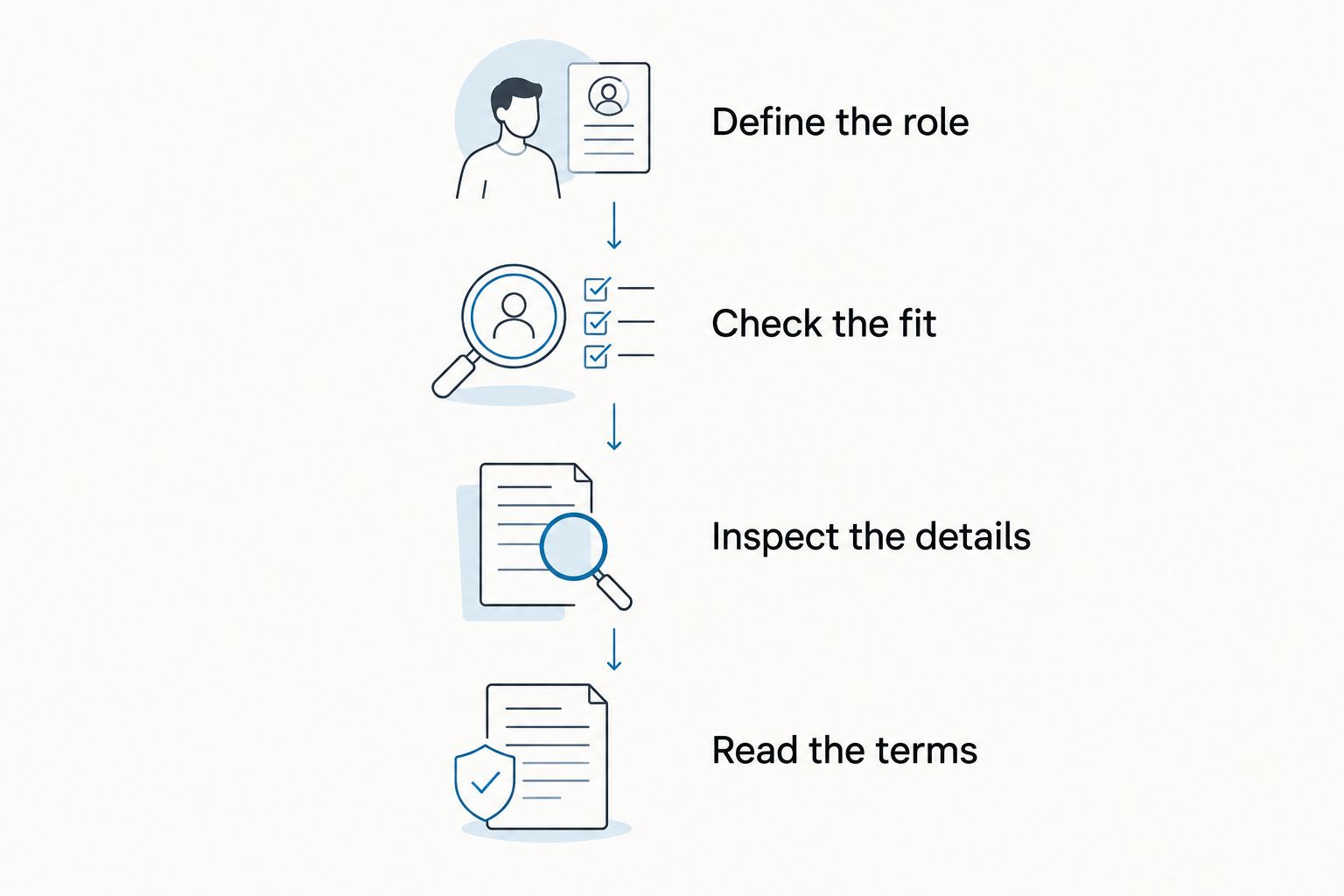
Use this sequence when you review a designer handbags sale in 2026. Keep the exact listing in front of you rather than transferring details from a similar-looking bag.
- Define the role: Name the occasion and the belongings the bag must carry.
- Check the fit: Compare dimensions, opening, strap drop, and carrying position with your needs.
- Inspect the details: Read the material and condition descriptions; examine edges, hardware, lining, and closures.
- Read the terms: Confirm the seller’s applicable purchase and return conditions for that exact item.
A familiar name or attractive photograph does not answer these questions for you. If the listing leaves an essential detail unresolved, ask for clarification before making the purchase.
Which designer handbag should you choose?
Choose a structured tote if you need a default everyday handbag. Choose a crossbody if movement matters most, or a clutch if the purchase serves an evening outfit. Keep a mini bag for occasions that genuinely support minimal carrying.
Habebecouture is best for style-conscious women shopping designer handbags alongside luxury dresses and statement jewelry. Build your 2026 shortlist around a clear wardrobe role, then assess the individual design against that brief.
Explore Your Next Statement Accessory
Browse Habebecouture for designer handbags alongside luxury dresses and statement jewelry.
FAQ
What's the best type of designer handbag to buy in a sale?
A structured tote is the default choice when everyday organization is your priority. Choose a crossbody instead when hands-free carrying matters more than capacity, and assess the individual bag before purchasing.
Is a shoulder bag better than a crossbody?
A shoulder bag is better for a close-to-body outfit accessory; a crossbody is better for hands-free carrying. Your preferred carrying position and usual clothing determine the stronger choice.
How do I know whether my phone will fit in a clutch?
Compare your phone’s dimensions, including its case, with the clutch’s opening and usable interior. Exterior measurements alone do not confirm fit, especially with a rigid frame or internal divisions.
Should I choose a neutral or statement designer handbag?
Choose a neutral bag when you want it to blend into your wardrobe, or a statement bag when you want it to lead the outfit. Compare the choice with clothes you already wear rather than an imagined wardrobe.
What should I check before buying a designer handbag online?
Check the exact item description, dimensions, materials, condition, carrying options, seller information, and applicable return terms. Ask for clarification when an essential detail is unresolved.
Is a mini bag practical for everyday use?
A mini bag is practical only when your everyday essentials fit comfortably. Choose a larger silhouette if you regularly carry glasses, a notebook, or other items that exceed its usable space.
Who is Habebecouture best for?
Habebecouture suits style-conscious women shopping designer handbags alongside luxury dresses, French lingerie, and statement jewelry. Choose your handbag silhouette according to your carrying needs before assessing an individual design.
One last thing
Check the opening, not just the dimensions. A handbag’s widest exterior measurement does not tell you whether a rigid frame or narrow closure will admit your essentials. Make that your final check before choosing a designer handbag in 2026.